Gear
Gas vs Charcoal vs Pellet Grills: A Practical UK Buyer's Comparison
Most people choosing a barbecue in the UK are really choosing between three habits, not three fuels. Gas rewards spontaneity: lift the lid, turn a knob, eat forty minutes later. Charcoal rewards attention: you light it, wait, and then cook over something that behaves a little differently every time. Pellets reward planning: fill a hopper, set a temperature, let a small computer do the fiddling. All three will cook a decent sausage. The differences show up in the third week of ownership, when the novelty has worn off and it is drizzling again.
So here is how they compare on the things that actually decide whether a barbecue gets used or gets covered and quietly forgotten.
Running costs: fuel, electricity and the extras
Gas is bought as a refillable bottle, usually propane or butane. For year-round UK cooking, propane is the safer choice because it keeps vaporising in cold weather, while butane can struggle and leave you with a half-full bottle that will not feed the burner properly. The cost per cook is predictable and a bottle lasts a good number of sessions. Where gas catches people out is the add-ons: a spare bottle so you never run out mid-cook, a regulator and hose if they are not included, and a decent cover.
Charcoal is bought by the bag. Briquettes burn slower and more evenly, which makes them better for longer cooks and steadier temperatures. Lumpwood lights faster, burns hotter and gives a cleaner flavour, but the pieces vary in size so the heat is less predictable. A chimney starter plus a couple of bags is a modest outlay. The hidden cost is ash: you need somewhere safe to put it, and it must be stone cold first.
Pellets are sold by weight, and a long cook at high heat can chew through a surprising amount. They must stay dry; damp pellets crumble and jam the auger, which is a repair rather than a nuisance. You will also use a little electricity to run the controller and fan — small, but it means the barbecue needs to live within reach of a properly rated outdoor socket. If you are unsure how to run power outdoors safely, ask a qualified electrician rather than improvising with an indoor extension lead.
Storage, space and the British weather
Gas: most models live outside under a cover, with the bottle either in a cabinet or beside the unit. Check the cover actually fits — a loose one that pools water is worse than no cover at all, because the water sits on the lid and finds its way in. A full bottle is heavier than people expect, so think about how you will move it.
Charcoal: the most forgiving option. Empty the ash, leave the vents slightly open so air moves through, and cover it. The usual failure is water sitting in the bowl, rusting the grate and seizing the vents. Store your charcoal indoors or in a sealed bin: a damp bag of lumpwood is genuinely miserable to light.
Pellet: the hopper is the weak point. It sits open to the weather beneath the lid and pellets absorb moisture. In a damp autumn, leaving pellets in the hopper between cooks is how you end up with a swollen clog and an afternoon of dismantling. Tip them back into a sealed container after each cook when rain is forecast.
Smoke flavour: what you will actually taste
Gas on its own produces almost no smoke flavour. You can add it — a smoker box of chips over a burner, a foil parcel with holes poked in it, or a lit pellet tube left to smoulder. It works, and it is a fair compromise, but it is an extra step every time, and the smoke sits on top of the cook rather than being part of it.
Charcoal has the advantage that fat dripping onto hot coals produces the aromas people mean when they say "barbecue". Even plain briquettes bring something to the party; add two or three wood chunks and you get real depth.
Pellets burn cleanly and give consistent, gentle smoke. Some cooks love that reliability, others find it a touch flat next to charcoal, particularly on quick cooks where the food is not exposed long enough to take on much. Wood choice matters more here, because the pellet is the only flavouring you have.
The honest version: if your typical cook is sausages, burgers and halloumi over high heat for twenty minutes, smoke is a minor factor. If you want a pork shoulder cooked slowly over six hours, it is near the top of the list.
Cleaning and maintenance: the day-to-day difference
- Gas: brush the grates while they are hot, empty the drip tray before it overflows, and check the burner tubes for blocked holes once or twice a season. Grease collecting in the cabinet is what shortens a gas barbecue's life.
- Charcoal: let the ash go cold, tip it out, brush the grate and wipe it with a little oil. Never put warm ash into a household bin or a plastic wheelie bin.
- Pellet: vacuum the fire pot every few cooks, wipe the temperature probe, and keep the grease chute clear. Fine ash gets into every corner. Not difficult, but regular.
Charcoal is the dirtiest to handle and the easiest to keep working. Gas looks clean until grease builds up somewhere you cannot see. Pellets are tidy in use and fussy in upkeep. Be realistic about which of those you will actually keep on top of.
A quick way to choose
- Do you cook on weeknights after work? Gas.
- Do you enjoy lighting, waiting and tending a fire? Charcoal.
- Do you want to set a temperature and walk away for hours? Pellet.
- Is there a safe outdoor power supply where the barbecue will stand? If not, pellets are out.
- Do you have somewhere dry to keep fuel? If not, gas and charcoal are easier to live with.
- Do you feed a crowd at short notice? Gas wins on speed and consistency.
Buying well, and buying once
Prioritise the lid fit and the grate material over extra side shelves and gadgetry. Cast iron holds heat beautifully but rusts if you neglect it; stainless steel is easier to live with. Before you commit, check that replacement parts — grates, burners, igniters, probes — are actually available in the UK for that model. A barbecue is a long-lived object, and the cheap one with no spares is the expensive one in the end.
Secondhand can work well. Charcoal kettles are hard to kill; with gas, check for rust in the firebox and a working igniter. If a pellet grill is on your shortlist, buy from a brand that sells spares, and be honest with yourself about whether you will keep the pellets dry and the fire pot clean.
Finally, think about the meals you cook most often, not the ones you imagine cooking. The barbecue that suits your ordinary Tuesday is the one you will still be using next summer.
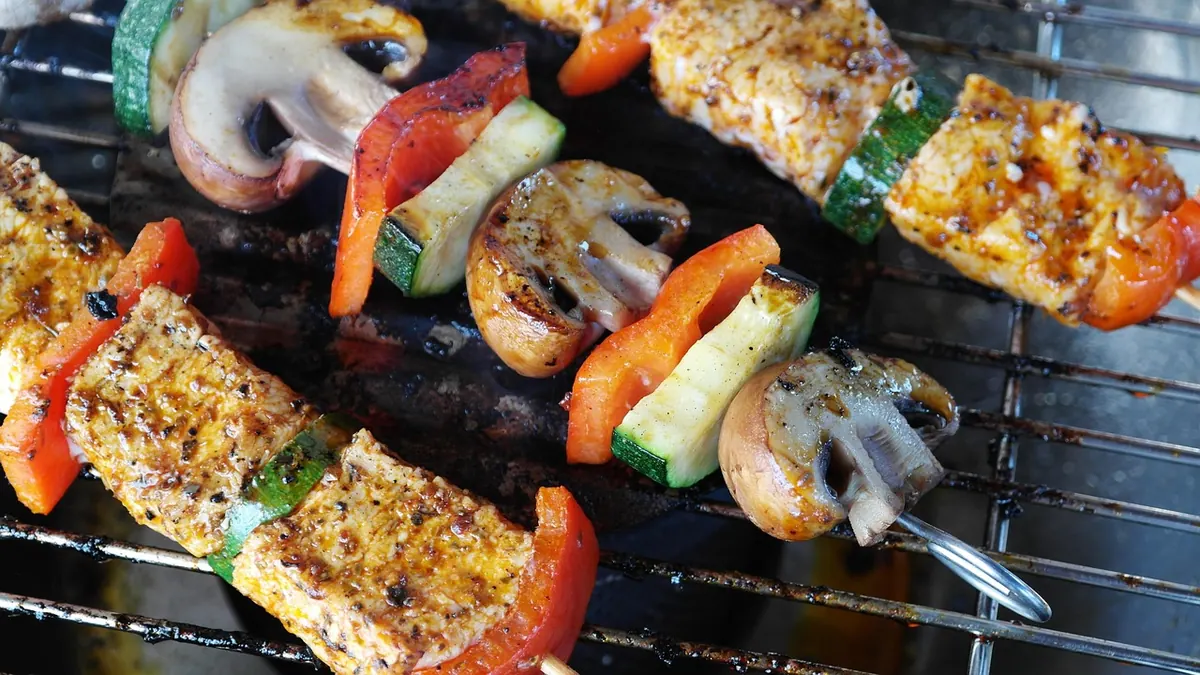
Photo: RitaE / Pixabay