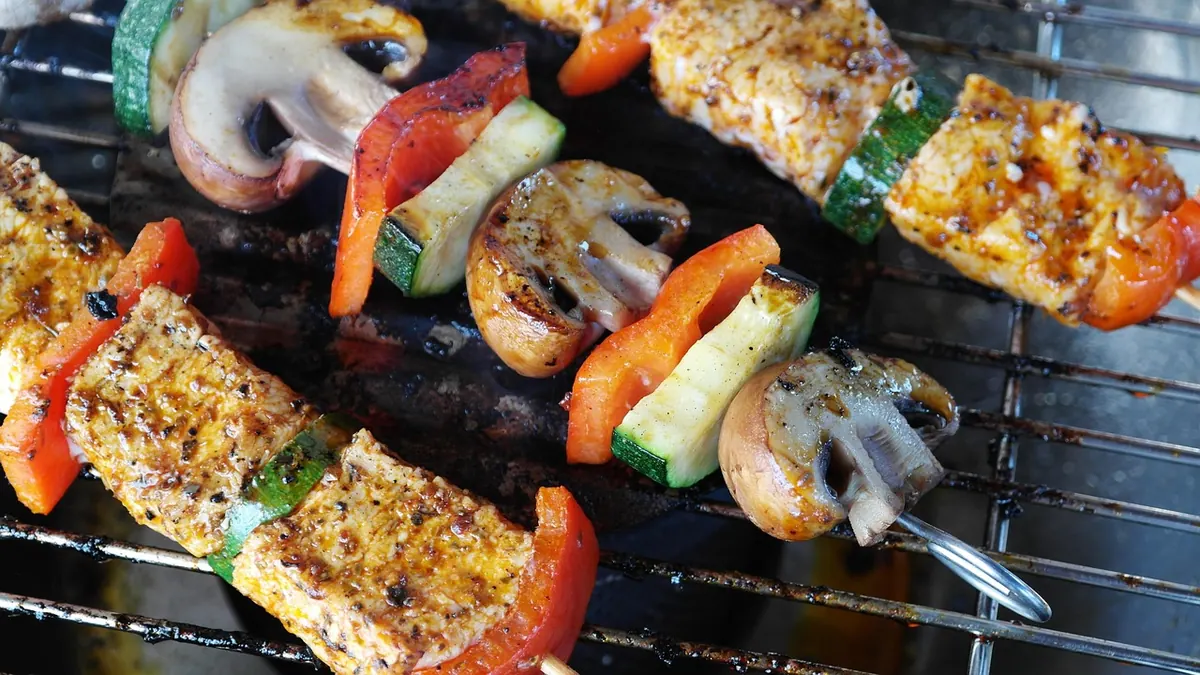
Grilling
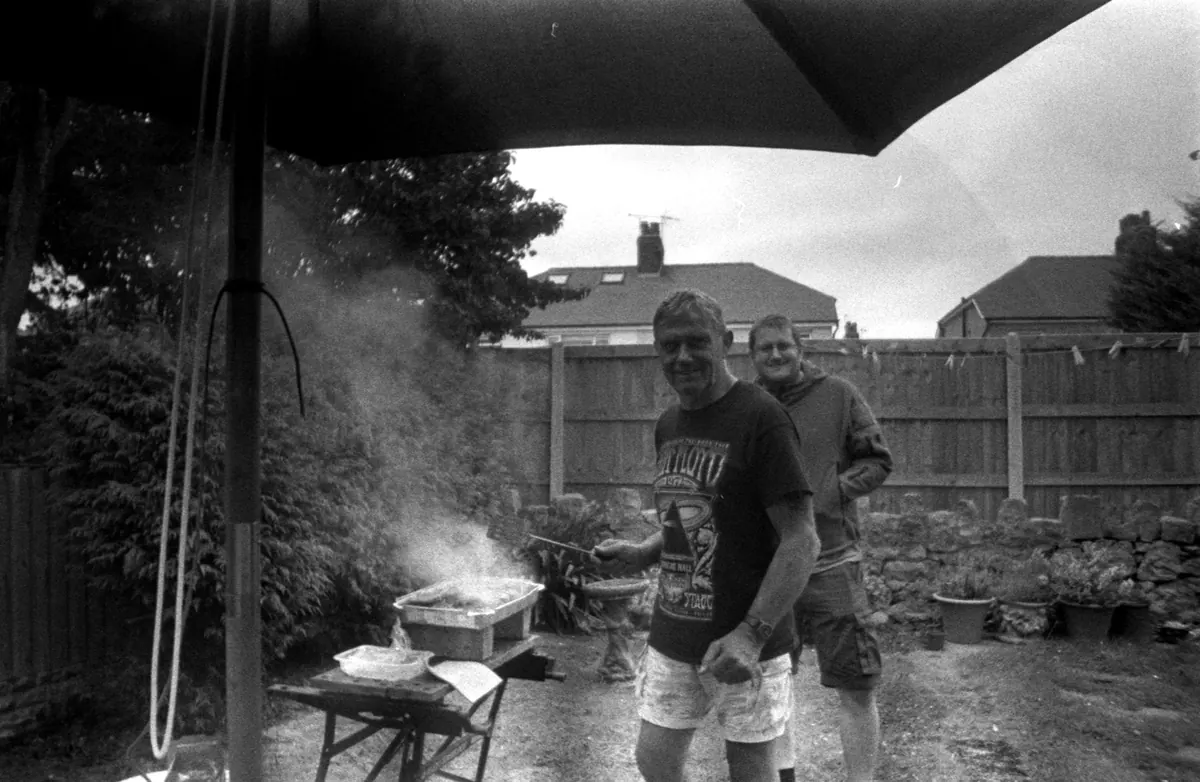
Rain-Proof Barbecuing: Cooking Outdoors Through a British Summer
The forecast said showers. It always says showers. Between May and September, most British weekends arrive with a band of drizzle drifting in from the west at roughly the moment you light the chimney starter. That is not a reason to give up and cook inside. It is a reason to plan the cook around the weather rather than hoping the weather will be kind.
Rain alone rarely ruins a barbecue. Wind, water in the wrong places and soaked fuel do. Sort those three things and a grey, damp afternoon becomes perfectly good grilling weather — quieter, cheaper on fuel, and far more satisfying than another tray of oven chips.
Pick the Spot Before You Pick the Recipe
Wind steals more heat than rain ever will. A steady breeze across an open grill drags warmth away from the food, cools the coals unevenly and turns a twenty-minute cook into forty. Stand in your garden for a minute and work out which way it is blowing, then position the barbecue so the wind hits the side or back of the lid rather than straight into the cooking grate.
Then look at where water goes. Puddles, the drip line under a gutter, the corner where the downpipe empties, the low patch at the bottom of the lawn. Cooking in a puddle means wet feet, a wet extension lead and a wet bottom to your charcoal bag.
Keep a clear couple of metres between the barbecue and anything that can burn or trap heat: fence panels, sheds, hedges, overhanging branches, a washing line, an open upstairs window. Level paving or gravel beats a lawn that turns to mud the moment someone walks on it with a tray of burgers.
Build Shelter, Not an Enclosure
There is a right way and a dangerous way to keep the rain off. The dangerous way is anything that closes the fire in. Never burn charcoal in a garage, shed, tent, conservatory or a fully zipped-up gazebo. Carbon monoxide is colourless, odourless and kills people in British gardens and campsites every single summer.
Gazebos, awnings and parasols
A pop-up gazebo with open sides and weighted feet is useful, but treat it as a roof over the cook, not as a box around the fire. Check the manufacturer's guidance for your barbecue, and if there is any doubt, keep the barbecue itself just outside the canopy footprint while you stand underneath it. Keep one side fully open to the breeze either way.
Small fixes that make a big difference
- A parasol in a heavy base. Angle it over your standing spot rather than the grill; the barbecue has its own lid.
- A windbreak panel. A sheet of ply, a length of trellis or a proper folding windbreak placed two or three metres upwind reduces both wind and sideways rain.
- A golf umbrella clamped to a bench. Cheap, effective, and it keeps the drizzle off your neck while you turn sausages.
- Roof drip lines. Water falling from an eaves or awning edge is worse than steady rain. Move half a metre and the problem disappears.
Kit That Shrugs Off a Wet Afternoon
A lidded barbecue is your single best piece of wet-weather equipment. A kettle or a hooded gas grill traps heat, keeps rainwater off the coals and lets you cook with the lid down while the sky does its worst. Open braziers are for sunshine.
Fuel storage matters more than people expect. Charcoal left open in a damp shed absorbs moisture and lights badly all season. Keep it in a sealed bin or a lidded box, indoors if you can, and bring out only what you need. A chimney starter, dry firelighters and a long-reach lighter or gas torch will beat a damp match every time.
Beyond that: a cast iron griddle pan or plancha to hold high heat when the air is cold, a digital probe thermometer so you are judging by temperature rather than guesswork, a sturdy tray for carrying food inside if a squall arrives, heatproof gloves, a towel that is not the one you are using on the plates, and a head torch for the late finish. Around 74°C is the usual target for chicken; pork and burgers want similar care. A thermometer removes the argument.
Cooking Tactics When the Sky Opens
Lid down, and leave it down. Lifting the lid is the fastest way to lose heat, and on a wet day you feel every degree. Bank your coals to one side and cook two-zone: sear over the heat, then move food across to finish gently. If the rain is heavy, cook on a plancha or in a lidded pot rather than over open bars.
Expect everything to take longer than the recipe suggests. Wind and rain pull the temperature down, so add time and trust the probe. Keep food covered between turns, work quickly, and don't fuss. Constant flipping loses more heat than it gains.
And if it turns torrential, there is no shame in finishing the chicken in the oven and serving it as though that was the plan all along. Half-grilled, half-roasted is still better than nothing.
Safety Doesn't Take a Rain Check
Use an outdoor socket protected by an RCD for any electrical kit, and keep leads off the ground and well clear of puddles. Wet decking plus hot fat plus bare feet is a bad combination; wear something with grip.
Never throw water on a fat fire — close the lid, turn off the gas if you are using it, and let it starve of air. Never move a lit barbecue. If anyone feels headachy, dizzy or sick while cooking under cover, get them into fresh air immediately and seek medical advice.
A Five-Minute Routine Worth Repeating
Before you light anything, do this: check the wind direction, choose your spot, set up the shelter, and put your wet-weather kit within arm's reach — thermometer, gloves, tray, towel. Keep the oven on standby without apologising for it.
The point is not to defeat a British summer. It is to stop treating a grey sky as a veto. Get the positioning right, keep the lid down, keep the fuel dry, and you will cook more often, eat better, and stop watching the radar like it owes you something.
Photo: Point And Shoot / Pexels