Recipes
Bonfire Night Barbecue: Warming Recipes for a November Cookout
Bonfire Night cooking is a different sort of barbecue. It starts at half five in the dark, it usually involves gloves and a hat, and the heat you're working with comes from wood that has already done its big, showy burning. Get it right and November turns into one of the best months to cook outside: cold air, dry smoke, and a fire that keeps everybody standing in the same place. Get it wrong and you're grilling sausages over flames while the good fireworks happen without you.
Build a Fire You Can Cook On
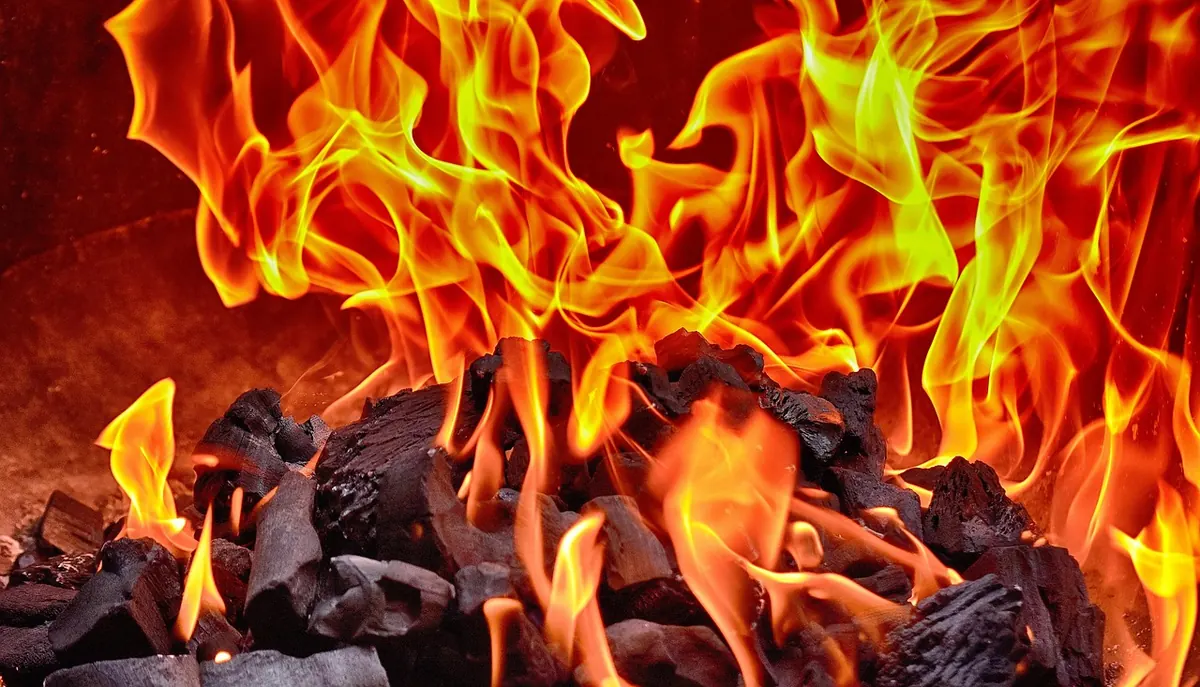
Light the fire early, then let it burn down. Flames are for watching; embers are for cooking. Oak, ash, apple and birch all give you steady coals, and split logs get there faster than whole ones. Skip treated timber, painted wood, old pallets and anything you can't identify, and don't reach for lighter fluid or petrol to hurry things along — you'll taste it later.
If you have the space, run two fires: a small, tidy one to cook on from about six o'clock, and the big one for the evening. Otherwise, bank the coals to one side of the barbecue, put the lid on with the vents open, and cook over the empty half. That gives you a hot zone for browning and a cooler one for anything that needs time.
- A chimney starter of lumpwood charcoal, kept to one side, is your top-up when the embers fade.
- Long-handled tongs, thick gloves and a metal bucket for ash earn their keep on a cold night.
- A head torch beats squinting into the smoke. So does a tray to carry things back inside.
Hold your hand where the food will sit. If you have to snatch it away after two seconds, the fire is still too fierce — give it twenty minutes and try again.
Spiced Ribs for a Long, Dark Evening
Ribs suit a slow cook and they don't mind being eaten with gloves on. Take a rack of pork ribs, peel the membrane off the back, and pat it dry. For the rub, mix two tablespoons of soft brown sugar with one each of smoked paprika and mustard powder, a teaspoon each of ground cumin and black pepper, and half a teaspoon each of cinnamon and cayenne. Salt generously. Leave the rack for an hour at room temperature, or overnight in the fridge if you've planned ahead.
Cook it indirect, lid on, at a gentle heat — somewhere around 150–170°C if you're using a thermometer — for two and a half to three hours, turning once. After about ninety minutes, wrap the rack in double foil with a splash of cider or apple juice and put it back over the embers. This is the step that makes them tender rather than chewy. Unwrap for the last twenty minutes, brush with a glaze of honey, Worcestershire sauce and a spoonful of mustard, and let it catch and shine.
They're ready when the meat has pulled back from the bone and a skewer slides in without resistance. Pork needs to be cooked right through, so check the thickest part and make sure the juices run clear before you take it off.
Potatoes Wrapped in Foil, Straight into the Embers
The best thing about a bonfire is that it comes with an oven. Par-boil floury potatoes for eight minutes, drain them, prick the skins, then rub with oil and plenty of salt and wrap each one twice in foil. Bury them in the embers at the edge of the fire, not in the middle of the flames, for 35–45 minutes, turning once with tongs. Squeeze one through a tea towel: if it gives easily, it's done.
Then split and fill. A few combinations that work well:
- Butter, mature cheddar and sliced spring onion.
- Leftover chilli with soured cream and a squeeze of lime.
- Crumbled blue cheese, a drizzle of honey and plenty of black pepper.
- Garlic butter, chopped parsley and lemon zest for a meat-free version.
Brush the ash off the foil before you open each parcel. And if your fire was started with firelighters, wait until it has burned clean before you bury anything in it.
Beans, Bread and Other Warm Sides
Open-air eating needs food that holds its heat. Smoky beans in a cast-iron pan are the obvious place to start: soften an onion, add smoked paprika and a little mustard powder, tip in a tin of beans with a spoonful of tomato purée and a scrape of black treacle or brown sugar, then sit the pan on a trivet over the coals for twenty minutes, stirring now and then. Split rolls brushed with garlic butter and wrapped in foil warm up at the edge of the fire in five minutes. Halloumi, corn cobs and good sausages all cook quickly over the hot zone, but make sure sausages are piping hot all the way through, with no pink in the middle.
Keep one cold thing on the table — a sharp slaw, pickled red onion, a bowl of apple sauce — to cut through all that smoke and richness.
Ember-Baked Apples with Toffee
Dessert can go in the fire while you eat. Core four eating apples and score the skin around the middle so they don't burst. Fill each cavity with raisins, a spoonful of brown sugar, a knob of butter and a pinch of cinnamon, then wrap individually in foil and twist the tops shut. Bury them in the embers for 25–30 minutes until soft when pressed. Open them carefully — the steam is fierce — and serve with cream or cold custard. Baked bananas stuffed with chocolate work the same way, and marshmallows on long sticks are best saved for when the flames have died down to a glow.
Something Hot to Drink
Warm a litre of cider in a pan set over the coals with a cinnamon stick, a star anise, a few cloves, slices of orange and a spoonful of honey. Keep it below a simmer — boiled cider turns sharp — then pour it into a flask and keep it well away from the fire once everyone's had a glass. Hot chocolate in a thermos does the same job for anyone not drinking.
Before You Bank the Fire
Cook the main event early, while there's still some energy about and you're not doing everything by torchlight. Keep a bucket of water or sand within reach, never leave the fire unattended, and keep children, sparklers and loose scarves well clear of the cooking area. Ash and foil go into a metal container, not the wheelie bin, until everything is properly cold. And eat outside if you possibly can — plates on knees, gloves on, embers still ticking away. That's the whole point of a November cookout.
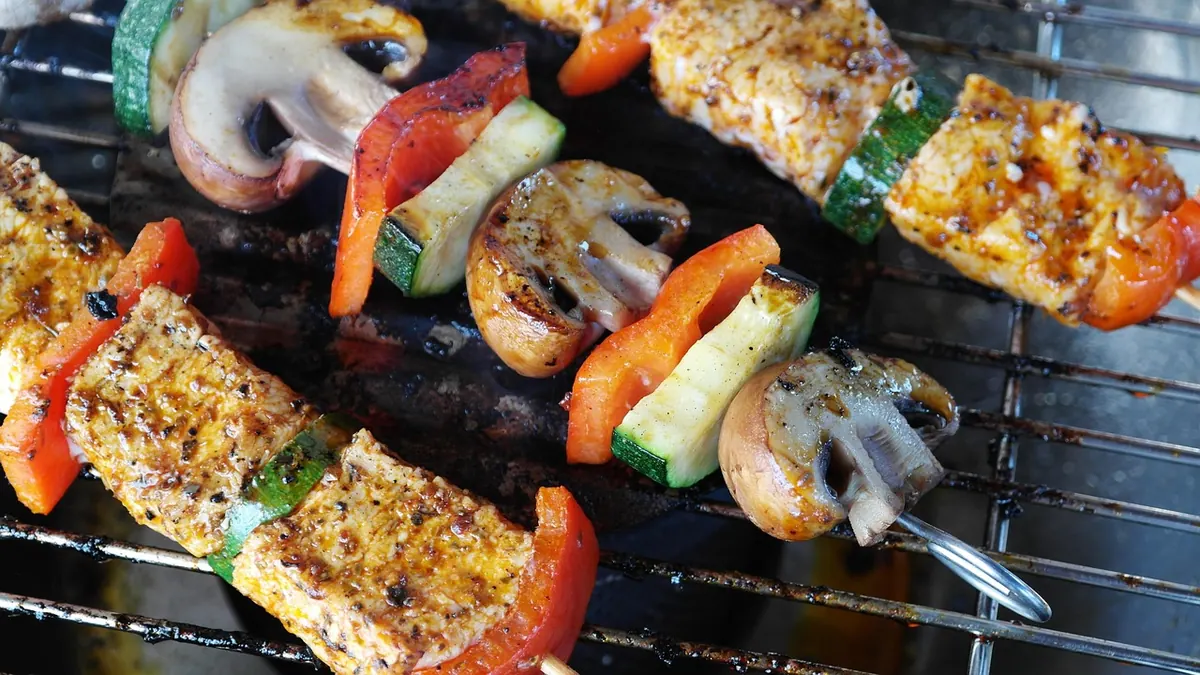
Photo: Alexas_Fotos / Pixabay