Grilling
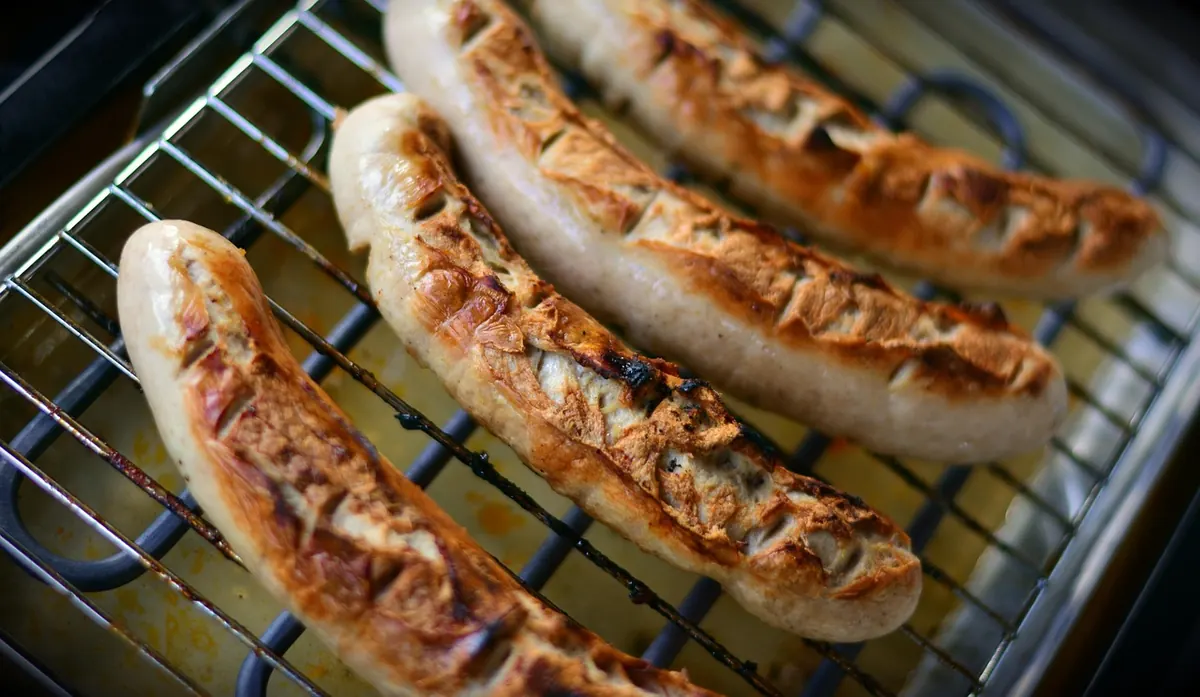
Seven Common Barbecue Mistakes Brits Make (and How to Fix Them)
Every summer, the same scene plays out in gardens across the country: a bag of charcoal, a tray of supermarket burgers, a spatula in one hand and a brolly within reach. It's a fine tradition. But there's a reason the food at some barbecues tastes dramatically better than at others, and it usually isn't the price of the kit. It's technique — a short list of habits that are easy to correct once you notice them.
Cooking with the lid off
Leaving the lid off feels like being in control. You can see everything, flip constantly, and there's something satisfying about standing over the coals. What you're actually doing is letting most of the heat escape sideways into the garden.
With the lid on, a kettle barbecue behaves like an oven. Heat circulates, the grate stays hot, and thicker things — chicken legs, a spatchcocked bird, a whole fish — cook through before they dry out. Lid off, you're limited to thin food that cooks in minutes, and anything fatty will drop grease onto the coals and flare.
The fix: make lid-down your default, with the vents open. Set up two zones — a bed of coals on one side, nothing on the other. Cook over the empty side, put the lid on with the vent above the food so heat and smoke are drawn across it, and lift the lid only to turn or check. Finish directly over the coals at the end if you want a crust.
Overcrowding the grate
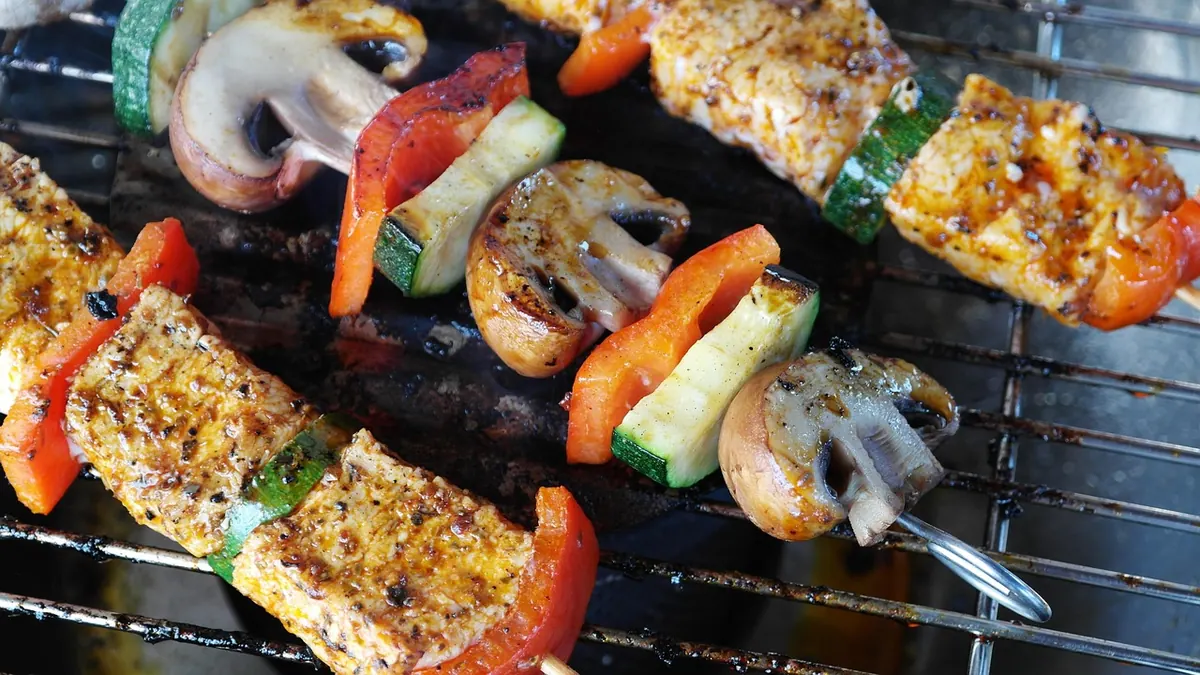
A packed grate is the quickest way to turn grilled food into steamed food. Every item you add pulls heat out of the air around it, and once things are touching, the moisture they release can't escape. You get grey burgers, limp courgette slices and a lot of sticking.
The fix: leave a gap roughly the width of your thumb between items, and cook in batches if you have to. Keep a tray in a low oven to hold finished food — a few minutes won't hurt a burger, though it will soften a good steak. Better still, cook in order: slower items on first, quick ones last.
Saucing too early
Most barbecue sauces are built on sugar — brown sugar, honey, treacle, ketchup. On a hot grate, sugar goes from glossy to bitter and black in a couple of minutes. Brush a sticky glaze on at the start and you're essentially seasoning your dinner with carbon.
The fix: think in stages. Salt and dry rub early, even the night before for larger cuts. Glaze in the final five to ten minutes over indirect heat, turning once. If you want sauce on a burger or sausage, serve it at the table. And if a marinade has touched raw meat, don't brush it onto cooked food afterwards.
Lighting up and cooking straight away
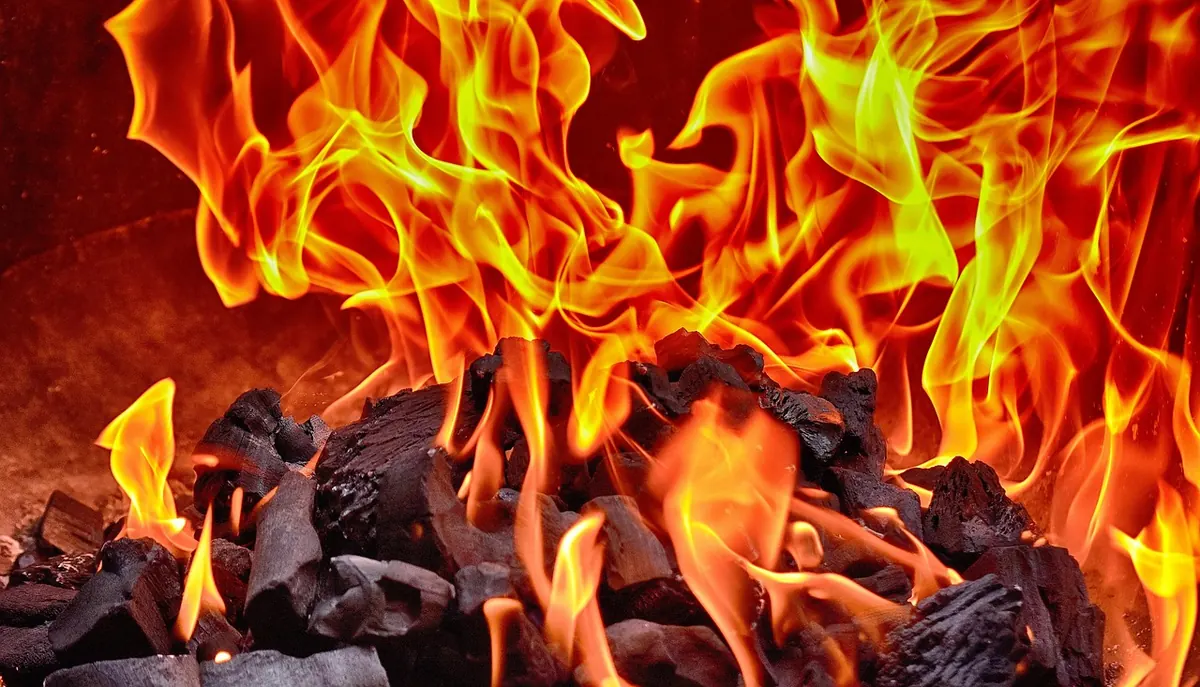
Rushing the fire sits behind most of the other mistakes here. Coals that are still black and flaming give an uneven, aggressive heat and a lot of acrid smoke. A cold grate means food welds itself to the bars.
The fix — a five-step start:
- Fill a chimney starter with briquettes or lumpwood and light it. Skip lighter fluid; it leaves a taste you can't wash off.
- Wait until the coals at the top are grey with a glow showing through, then tip them out and spread them with tongs.
- Let the grate heat for five minutes with the lid on.
- Scrape it clean while it's hot. If you use a wire brush, check it for loose bristles and replace it if any are missing.
- Oil the food, not the grate. A light coating on the meat stops sticking without causing a flare-up.
Flipping, poking and pressing
Watch anyone at a barbecue and you'll see nervous energy at work: burgers flipped four times, sausages stabbed with a fork, steaks pressed flat with a spatula. Every press squeezes juice onto the coals, which dries the meat and starts a flare-up that coats it in soot.
The fix: leave food alone until it releases. If it's sticking, it isn't ready — give it another minute and try again. Turn most things once, using tongs rather than a fork. Move food between zones to control the heat instead of piling more on the fire.
Guessing whether it's done
Timings on the packet assume a still day, a known fuel and a lid that stays shut. In a real garden, wind and rain change everything, which is why "eight minutes a side" so often means a burnt outside and a pink middle.
The fix: an instant-read thermometer takes the guesswork out of it and costs less than a decent bag of charcoal. Cook burgers, sausages and poultry right through rather than trusting colour — poultry should be cooked until the juices run clear and there's no pink meat left, and if you're ever unsure, give it longer. Follow current food safety guidance, particularly when cooking for guests who are pregnant, elderly or unwell.
Then let it rest. Five minutes under a loose foil tent lets the juices settle back into steaks, chops and joints instead of running out across the plate.
Forgetting the fire needs managing
Coals don't stay put just because you've lit them. Ash builds up and blocks airflow, vents get knocked shut, and a change in the breeze can turn a steady fire into a furnace.
The fix: keep half a chimney of unlit coals ready to top up anything cooking for longer than twenty minutes. Treat the vents as your thermostat — more air, more heat. Bank used coals to one side and add fresh ones next to them rather than on top of the food. If it's windy, create a windbreak, even if that just means positioning the barbecue behind a wall or a shed.
What to do next time
None of this needs new equipment. Before your next cook, take five minutes to plan: light the fire early, set up two zones, decide what goes on first and what gets glazed last. Then close the lid, put the spatula down and pour yourself something cold. Better barbecue food usually comes from doing less, more deliberately.
If you change only one thing, make it the lid. It's the habit that separates a stressful cook from an easy one, and it costs nothing.
Photo: congerdesign / Pixabay