Gear

Briquettes vs Lumpwood Charcoal: Which Burns Best for British Barbecues?
Most of us buy charcoal the way we buy bin bags: whatever's on offer, grabbed on the way to the checkout. Then a bank holiday arrives, the bag comes out, and the grill behaves nothing like it did last time. Nine times out of ten the fuel is the reason. Briquettes and lumpwood are both charcoal, but they are built for different jobs, and picking the wrong one means either a fire that dies halfway through a spatchcock chicken or coals that never get hot enough to put a proper crust on a steak.
What's Actually in the Bag
Lumpwood is the simpler product: hardwood that has been charred in a kiln with nothing much added. What you get is irregular — fist-sized chunks, flat shards, and a fair amount of small chips and dust at the bottom of the bag. That inconsistency is the point and the problem. Small pieces catch quickly, big chunks hold heat, and no two bags behave identically.
Briquettes are the engineered version. Charcoal fines are pressed with a binder, usually starch, into uniform pillows. Some are pure charcoal; others include coal dust or additives to help them light and hold their shape. Read the bag rather than the picture on the front — "100% charcoal" is what you want if flavour and clean burning matter to you.
Burn Time and Heat Control
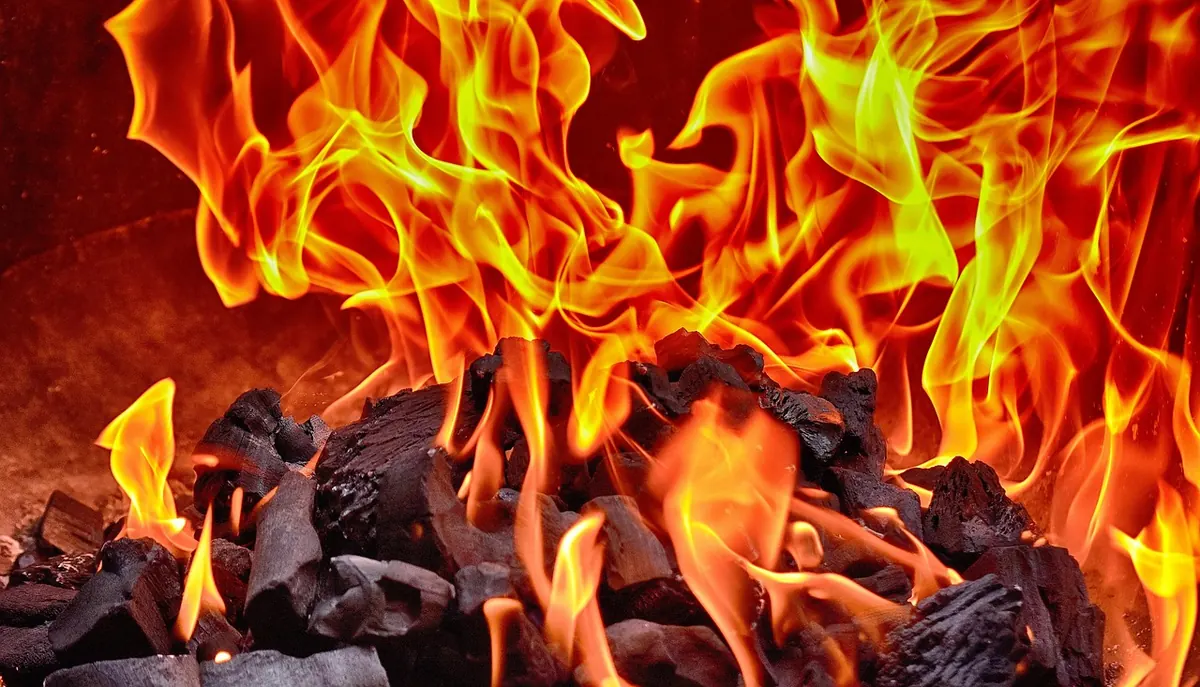
This is where the two fuels really part company. Lumpwood lights fast, runs hot, and falls away quickly. Get a full chimney going and you have a fierce bed of coals within twenty minutes, ideal for sausages, burgers, chicken thighs, halloumi and steaks. It responds well to the vents, but it is a moving target: leave it ten minutes and the heat has dropped noticeably.
Briquettes take longer to light and ask for a proper chimney starter rather than a hopeful squirt of gel. In return they burn long and evenly, holding a steady temperature hour after hour. That predictability is why they suit slow cooks. In a kettle, you can arrange them in a ring around the edge, light one end, and let the fire creep around the circle — the snake method — which will hold a low, steady heat for hours without you hovering over it. Add water pans and a lid thermometer and you have a workable smoker.
Peak heat is a different story. Good lumpwood will out-run briquettes on raw intensity, which matters for pizza, direct grilling and anything you want seared hard and fast. Quality varies wildly though, and cheap briquettes can be slow to catch and sulky once lit.
Ash, Airflow and Clean-Up
Briquettes leave noticeably more ash, partly because of their density and binders. It builds up under the grate, clogs the vents on a kettle, and forms an insulating layer that quietly strangles your fire. On a long cook, knock the ash through the grate every couple of hours and empty the pan afterwards. Kamado owners should be especially diligent — ash smothers airflow in a ceramic cooker faster than in anything else.
Lumpwood produces less residue but more mess in other ways: dust in the bag, sparks, and the occasional ember spitting onto dry grass or a wooden deck. Keep a bucket of water to hand in summer and never leave the grill unattended on a tinder-dry lawn.
Flavour: What Makes It Into the Food
Honesty first: most of the flavour you taste on barbecued food comes from fat and juices hitting hot coals and rising back as smoke, plus whatever rub or marinade you used. The fuel itself is a smaller factor than the marketing suggests. That said, there are differences.
Lumpwood tends to give a cleaner, slightly smokier note, particularly with hardwoods. Plain charcoal briquettes are fairly neutral. Briquettes containing coal dust, or bags lit with lighter fluid, can carry a chemical edge — most obvious in the first fifteen minutes, when the coals are still throwing white smoke. That brings us to the one rule worth repeating:
Never cook over coals until they have a grey, ashy coating. If they are still black and smoking hard, you are cooking over fumes.
Once everything is properly ashed over, the gap between decent lumpwood and decent briquettes narrows to something most people would struggle to identify blind.
Cost and Storage
Briquettes are generally cheaper per kilogramme and, because they burn more slowly, a bag tends to go further on a long cook. Lumpwood usually costs more for the same weight and is consumed faster, so a big smoking session gets expensive if you rely on it alone. For a quick midweek grill, the difference is pennies.
Storage matters more than people think. Damp charcoal lights badly; damp briquettes crumble and shed their shape. Keep both in a sealed bin off a concrete floor, in a garage or shed, and buy in spring when the offers land rather than on the morning of the barbecue.
Which Fuel for Which Cook
- Weeknight grilling — sausages, burgers, veg: lumpwood. Fast to light, hot, done in half an hour.
- Steak and high-heat searing: lumpwood, piled in a chimney's worth directly under the grate.
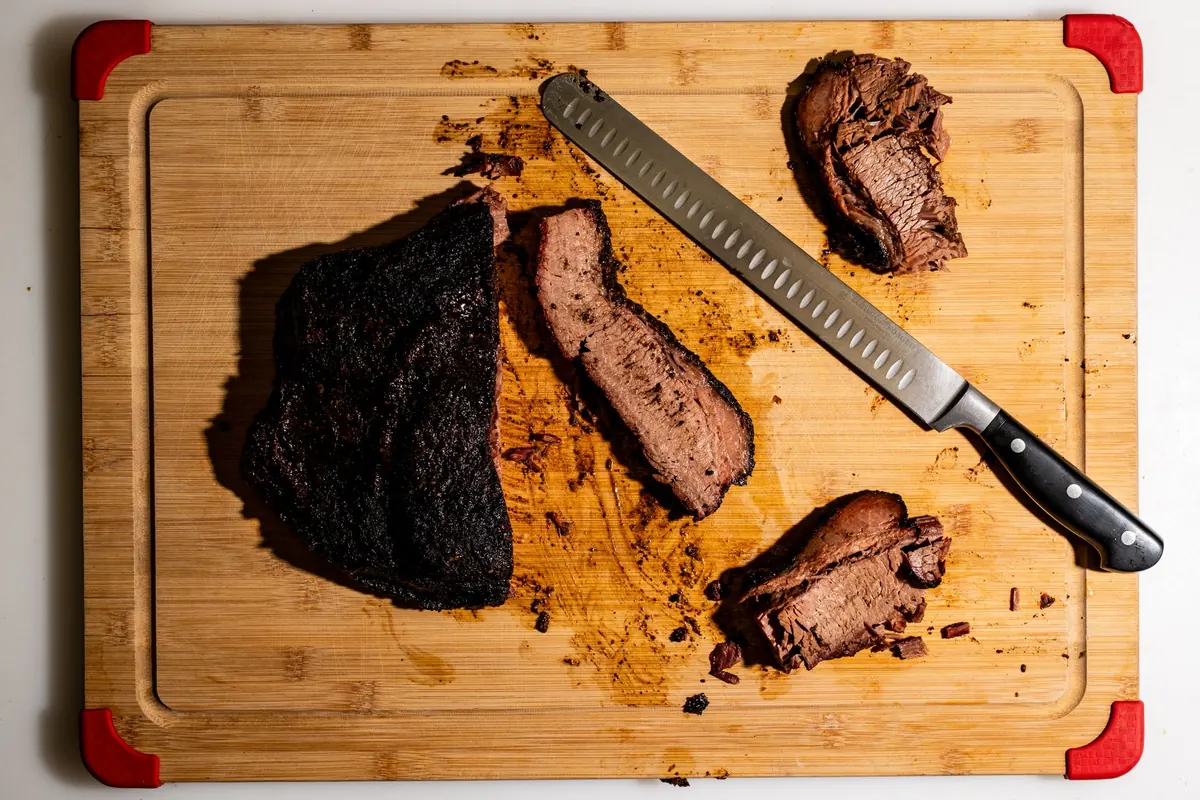
- Pulled pork, brisket, ribs, overnight cooks: briquettes, arranged for a snake or minion setup with a water pan.
- Rotisserie chicken or a long indirect roast: briquettes as the base, with a couple of lumpwood chunks added for smoke.
- Kamado or ceramic cooker: either, provided the briquettes are pure charcoal, and you clean the ash out regularly.
- Feeding a crowd for hours: a hybrid — briquettes for the steady base, a handful of lumpwood on top for bursts of heat.
Practical Habits Before You Light Up
Whatever you choose, the technique around it matters more than the brand. Use a chimney starter with a couple of firelighters underneath and give it fifteen to twenty minutes. Never use petrol or white spirit; the fumes linger and it is genuinely dangerous. Build a two-zone fire — coals banked on one side, nothing on the other — so you have a hot side for colour and a cool side for finishing. Cook with the lid on more often than feels natural, and use the vents to steer temperature rather than adding more fuel.
On safety: burn charcoal outdoors only, never in a garage, shed or tent, and never bring a lit grill inside, even when it looks finished. Carbon monoxide from cooling coals kills people every year in this country. Keep children and pets a sensible distance back, and let the ash cool completely before you bin it.
If you only ever buy one type, buy briquettes for their reliability, then keep a small bag of lumpwood for the nights you want a fast, hot, smoky grill. Better still, cook the same meal twice on the same evening's worth of coals — a chicken spatchcocked over each — and you will know within an hour which one suits the way you actually cook.
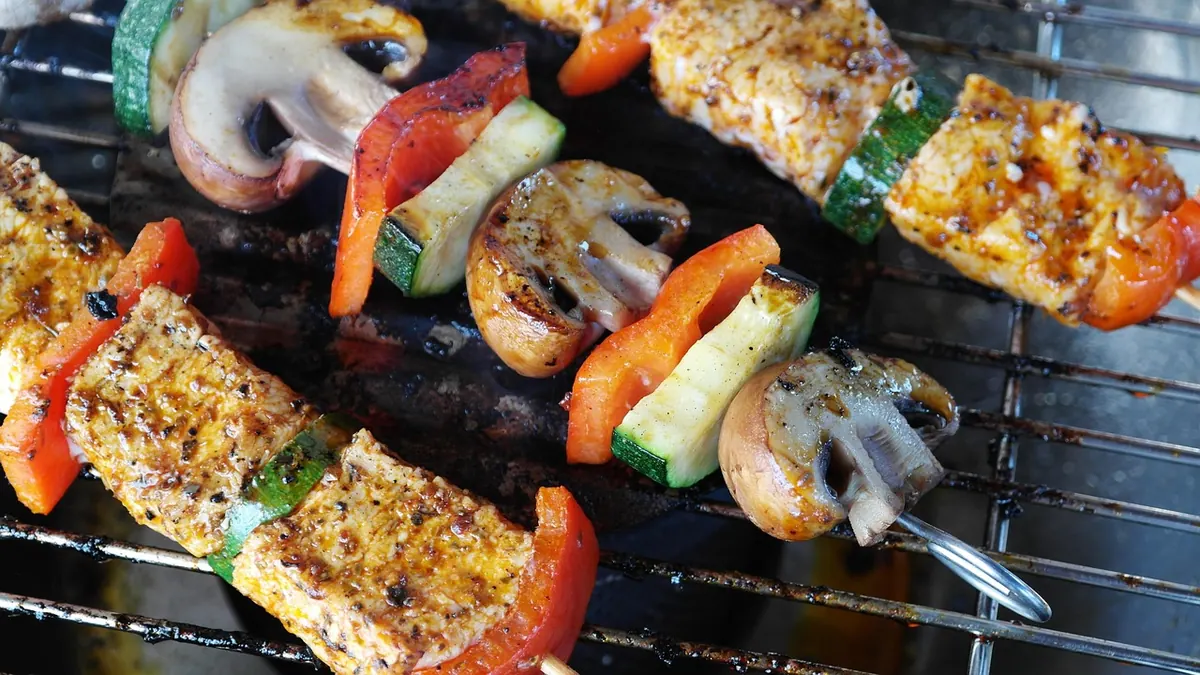
Photo: Uschi_Du / Pixabay